
flex PCB suppliers
The PCB industry is continuously evolving, and so are the needs of customers. PCB manufacturers need to stay updated with these trends in order to deliver high-quality products on time and at an affordable price. These days, efficiency and responsiveness are top priorities for most customers. In this context, flex pcb suppliers need to stay on the pulse of these developments and be ready to pivot their production processes when needed.
This trend is driven by the growing demand for more adaptable electronic devices that are flexible and light in weight. Unlike standard rigid PCBs, flex circuits can conform to enclosures and eliminate the need for wiring harnesses. Moreover, they can provide features like three-dimensional circuitry and enhanced high-frequency performance. They can also help in the reduction of assembly costs and improved reliability in dynamic environments.
To keep up with the latest trends in the flex pcb supplier industry, it’s vital for a supplier to be highly-qualified and reputable. This includes maintaining an excellent record and reputation, providing quick responses to inquiries, and delivering products on time. The supplier should also maintain a strong network and attend trade shows and conferences to connect with new customers and potential clients.
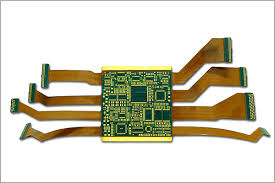
How do flex PCB suppliers stay updated with industry trends?
Moreover, the supplier must be flexible in terms of its marketing strategy and be ready to change it when required by market demands. This is especially important for a flex pcb supplier who specializes in high-end, custom orders. In addition, the supplier must be able to deliver on-time and meet the deadlines set by the customer.
Another important trend to watch out for is the emergence of HDI PCBs. This technology is an advancement over traditional PCBs, as it allows for more complex functionality in smaller spaces. This makes it ideal for IoT sensors and 5G communication systems. In addition, it enables engineers to design thinner, lighter, and more flexible circuits. This type of PCB requires more sophisticated soldering techniques, and it’s best to choose a flex pcb supplier that has extensive experience with this process.
HDI PCBs feature finer traces and spaces, micro-vias, blind and buried vias, and higher layer count, which are all essential to ensuring the stability of advanced functionalities. This technology is increasingly being used in consumer electronics, aerospace, and medical devices. The flex pcb manufacturing industry has evolved to meet the needs of these industries.
In the future, it will be necessary for flex pcb manufacturers to develop more complex circuits with higher performance and a lower cost. This can be achieved by improving the quality of the material used, by using better etching and laser cutting methods, and by adopting new technologies.
Moreover, flex pcbs can be made more rigid by using stiffeners, which are small pieces of rigid material added to selected areas of the board. This is helpful in preventing the flex circuits from deforming due to heat or vibration. For example, the stiffeners can be placed near the connectors and mounting holes in a flex PCB.