
Printed circuit assembly services
Ensuring proper wetting during soldering is paramount in Printed Circuit Assembly (PCA) services to guarantee the integrity and reliability of electronic components. Wetting refers to the ability of molten solder to flow and form a strong metallurgical bond with the surfaces it contacts, such as component leads and printed circuit assembly services pads. Achieving optimal wetting is essential for creating robust solder joints that withstand the rigors of operation and environmental stresses.
One of the fundamental factors influencing wetting during soldering is the selection of the appropriate solder alloy and flux. Different solder alloys exhibit varying wetting characteristics, with lead-free solders typically requiring higher temperatures for proper wetting compared to lead-based alternatives. Additionally, the flux plays a crucial role in promoting wetting by removing oxides from the metal surfaces and facilitating the formation of intermetallic bonds between the solder and substrate.
Proper flux activation is essential for ensuring effective wetting during soldering. Flux activation occurs when the assembly reaches the specified temperature range, typically during the reflow soldering process. Insufficient flux activation can result in poor wetting and the formation of solder defects such as solder balls or bridges. Therefore, maintaining precise temperature profiles and sufficient dwell times within the flux activation range is crucial for achieving optimal wetting.
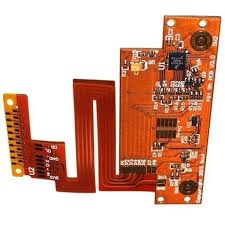
How do you ensure proper wetting during soldering in Printed circuit assembly services?
Surface preparation also significantly impacts wetting during soldering. Proper cleaning and surface treatment of PCB pads and component leads are essential for removing contaminants and oxidation layers that inhibit solder wetting. Mechanical and chemical cleaning processes, such as solder mask removal and flux application, help ensure clean and active surfaces conducive to robust wetting and solder joint formation.
Furthermore, controlling the soldering atmosphere can influence wetting behavior. Inert gas environments, such as nitrogen or argon, are often used during reflow soldering to minimize oxidation and promote better wetting. Oxygen and other reactive gases can lead to the formation of oxide layers on the solder surfaces, hindering wetting and compromising solder joint quality. By maintaining a controlled atmosphere, electronics manufacturers can enhance wetting and soldering reliability.
Proper soldering technique and equipment are also critical for achieving optimal wetting. Factors such as solder paste application, soldering temperature, and dwell time must be carefully controlled to ensure consistent and reliable wetting across all solder joints. Additionally, the use of appropriate soldering equipment, such as soldering irons or reflow ovens with precise temperature control, contributes to uniform heating and proper wetting throughout the assembly process.
Visual inspection and quality control measures are essential for verifying wetting quality and detecting any soldering defects. Automated optical inspection (AOI) systems and X-ray inspection techniques are commonly employed to examine solder joints for issues such as incomplete wetting, solder balling, or voiding. Early detection of wetting-related defects allows for timely corrective actions, ensuring that only assemblies with satisfactory soldering quality proceed to subsequent manufacturing stages.
In conclusion, ensuring proper wetting during soldering is a critical aspect of Printed Circuit Assembly services. By carefully selecting solder alloys and fluxes, preparing surfaces, controlling soldering atmospheres, employing appropriate techniques and equipment, and implementing rigorous quality control measures, electronics manufacturers can achieve consistent and reliable wetting, leading to high-quality solder joints and reliable PCB assemblies.