
optimize flex circuit board efficiency
Panelization is a manufacturing technique used to optimize the efficiency of flex circuit board production by arranging multiple individual PCBs onto a single larger panel. This method allows manufacturers to produce multiple PCBs simultaneously, streamlining the fabrication and assembly process and improving overall efficiency. Panelization offers several benefits for flex circuit boards, including increased throughput, reduced material waste, improved process control, and lower production costs.
One of the primary advantages of panelization is its ability to increase throughput and productivity in flex circuit board manufacturing. By arranging multiple flex circuit board onto a single panel, manufacturers can process multiple boards in parallel, reducing the time required to fabricate and assemble each individual PCB. This results in faster turnaround times and increased production capacity, allowing manufacturers to meet tight deadlines and customer demands more efficiently.
Moreover, panelization helps reduce material waste and optimize material utilization in flex circuit board production. By maximizing the use of the panel area, manufacturers can minimize the amount of unused space and material left over after fabrication, reducing material costs and environmental impact. Additionally, panelization allows manufacturers to optimize the placement of individual PCBs on the panel to minimize material waste and maximize yield, further improving efficiency and cost-effectiveness.
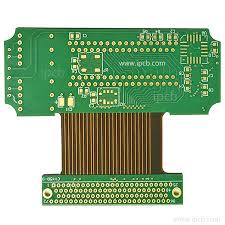
How does panelization optimize flex circuit board efficiency?
Another benefit of panelization is improved process control and quality assurance in flex circuit board manufacturing. By processing multiple PCBs simultaneously on a single panel, manufacturers can maintain consistency and uniformity in the fabrication and assembly process, reducing the risk of errors or defects. Additionally, panelization enables manufacturers to implement automated inspection and testing procedures more effectively, ensuring that each PCB meets the required quality standards before being separated from the panel.
Furthermore, panelization helps lower production costs for flex circuit boards by reducing setup times, labor costs, and overhead expenses associated with manufacturing. By processing multiple PCBs in a single production run, manufacturers can spread fixed costs such as equipment setup, programming, and maintenance over a larger number of boards, resulting in lower per-unit production costs. Additionally, the increased throughput and efficiency gained through panelization allow manufacturers to produce more PCBs in less time, further reducing production costs and improving profitability.
Panelization also offers logistical advantages for flex circuit board production, such as simplified handling, transportation, and storage of PCBs during the manufacturing process. By consolidating multiple PCBs onto a single panel, manufacturers can streamline the handling and transportation of boards between fabrication and assembly processes, reducing the risk of damage or loss. Additionally, panelization helps optimize storage space in manufacturing facilities by minimizing the footprint of PCB inventory and finished goods.
In conclusion, panelization is a valuable manufacturing technique that optimizes the efficiency of flex circuit board production by arranging multiple individual PCBs onto a single larger panel. This method offers several benefits, including increased throughput, reduced material waste, improved process control, lower production costs, and logistical advantages. By leveraging panelization in flex circuit board manufacturing, manufacturers can enhance productivity, quality, and profitability while meeting the demands of customers and markets more effectively.