
How Reliable is HDI PCB in High-Density Applications?
As electronics continue to become smaller and more powerful, the demand for high-density circuit designs has surged. High-Density Interconnect Printed Circuit Boards (HDI PCB) are designed to meet these demands by offering compact, efficient, and reliable solutions for high-performance applications. HDI PCB technology, with its small vias, fine traces, and multi-layer configurations, plays a crucial role in industries such as telecommunications, medical devices, automotive systems, and consumer electronics. But when it comes to HDI PCB in high-density applications, one of the key concerns is reliability. How reliable are these boards when subjected to the complexities of modern electronics? Let’s explore the reliability of HDI PCB in high-density applications.
1. Enhanced Durability with Advanced Materials
One of the primary reasons why hdi pcb is reliable in high-density applications is the use of advanced materials in their construction. HDI PCB boards are typically made from high-quality laminates and copper materials, which are optimized for excellent thermal conductivity and electrical performance. These materials help prevent issues such as signal degradation and overheating, which can be common in high-density applications. By ensuring that the board can handle heat dissipation and electrical demands, the reliability of HDI PCB is greatly enhanced, especially in environments where temperature fluctuations are a concern.
2. Microvias and Their Impact on Reliability
HDI PCB technology uses microvias—small, precision-drilled holes used to connect different layers of the board. These microvias allow for denser circuitry without compromising the overall performance of the board. One of the key benefits of microvias is that they reduce the likelihood of signal interference and increase the overall durability of the board by distributing electrical signals evenly across the layers. Microvias in HDI PCB designs are also more reliable than traditional through-hole vias, as they have smaller, more precise connections, which reduce the risk of mechanical failure and electrical shorts in high-density circuits.
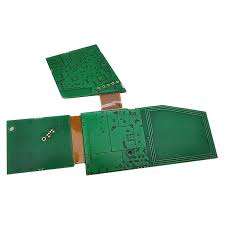
3. Stacked and Buried Vias for Higher Performance
To further improve the reliability of HDI PCB, stacked and buried via technologies are commonly used. Stacked vias involve creating multiple microvias stacked on top of each other, while buried vias connect internal layers without affecting the outer layers. These techniques enable the design of HDI PCB boards with higher functionality in limited spaces while maintaining signal integrity. The use of stacked and buried vias ensures that the electrical connections remain stable and that the overall performance of the HDI PCB is not compromised by high-density requirements. This is especially important in applications where reliability and precision are crucial, such as medical devices and high-speed communication systems.
4. High-Performance in Harsh Environments
High-density applications often require the PCB to function reliably in harsh environments, such as extreme temperatures, humidity, or vibration. HDI PCB is specifically designed to meet these challenges. The compact design, combined with the use of high-quality materials and precise manufacturing processes, makes HDI PCB highly reliable in environments where traditional PCBs might fail. Whether it’s an automotive system exposed to vibrations or a military-grade device operating in fluctuating temperatures, HDI PCB can maintain its performance under challenging conditions, providing long-term reliability and durability.
5. Improved Signal Integrity
Signal integrity is a crucial factor when evaluating the reliability of HDI PCB in high-density applications. With modern electronics, even small interference can cause significant issues. HDI PCB designs reduce signal loss and crosstalk by providing shorter, more direct routing paths. This reduction in trace length minimizes the chances of signal degradation and ensures that high-speed signals are transmitted without distortion. The precise control over trace widths and via sizes in HDI PCB boards plays a major role in improving signal integrity, making them highly reliable for applications that require stable performance at high speeds.
6. Thermal Management for Increased Longevity
Another factor that contributes to the reliability of HDI PCB in high-density applications is the improved thermal management capabilities. HDI PCB designs allow for more efficient heat dissipation, which is particularly important when high-performance components are densely packed onto the board. The advanced layering techniques and the use of thermal vias help distribute heat evenly across the board, preventing hot spots that could lead to component failure. Proper thermal management ensures that the HDI PCB remains functional over the long term, even under heavy electrical load, enhancing its overall reliability.
7. Rigorous Testing and Quality Control
To ensure that HDI PCB meets the high standards required for reliable performance, the boards undergo rigorous testing and quality control. Engineers perform a variety of tests, such as electrical testing, thermal testing, and mechanical stress testing, to ensure that the HDI PCB will function as expected in its intended application. These tests help detect potential weaknesses in the design and manufacturing process, allowing for improvements to be made before the final product is released. This comprehensive testing process is crucial in ensuring the reliability of HDI PCB in demanding high-density applications.
Conclusion
The reliability of HDI PCB in high-density applications is a result of advanced design techniques, high-quality materials, and stringent manufacturing processes. Whether it’s through the use of microvias, stacked vias, or improved thermal management, HDI PCB is built to perform reliably in challenging and high-performance environments. Its ability to maintain signal integrity, withstand harsh conditions, and ensure durability over time makes HDI PCB the preferred choice for industries that demand precision and long-term reliability in their high-density electronic systems.