
avoid water damage when cleaning wood floors
Water damage can occur from a variety of sources, such as plumbing leaks, toilet or bathtub overflows, spills, appliance leaks, household mishaps and even sudden disasters like flooding. Luckily, you can prevent wood floors from becoming water damaged with proper care and attention to detail. Keep reading to learn the best practices for avoiding and dealing with water damage when cleaning wood floors.
When water is left to soak into wood, the flooring becomes vulnerable to warping and other forms of damage, including discoloration and stains. This can be a difficult problem to fix, and may require refinishing or even replacement of the floorboards depending on the severity of the water damage. If you have wood floors in your home, you should always be prepared to deal with sudden water damage, so make sure you know what to do if you notice any signs of water damage.
The first step to preventing How to clean Wood Floors from getting water damaged is to mop up any spills and messes immediately. This will help to keep water from seeping into the wood, and it will also make it easier to clean up any messes before they can become a permanent stain. In addition, be sure to sweep regularly to remove dirt and dust that could scratch the surface of your wood floors.
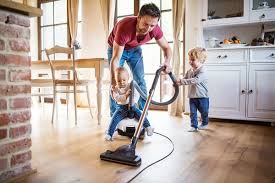
How to avoid water damage when cleaning wood floors?
Another great way to prevent wood floor water damage is by using a high-quality, pH-neutral wood cleaner that is designed specifically for use on wood surfaces. This will ensure that the cleaner doesn’t contain any chemicals that might irritate or damage your wood floors, and it will be able to penetrate deep into the pores of the wood to eliminate dirt, dust and other impurities that can scratch and dull the surface of your wood floors.
Once you have cleaned and disinfected your hardwood floors, be sure to dry them thoroughly. This can be done by utilizing a wet vacuum (a specialized version of the standard household vacuum cleaner) or by laying down towels and rags. Be sure to also set up fans and open windows to create as much air movement as possible, as this will further speed up the drying process. In addition, you can utilize a moisture meter to be sure that the wood is fully dried.
However, even with a sturdy finish, it’s still vital to avoid excess moisture when cleaning, as prolonged exposure to water can dull the finish or cause damage to the wood underneath. Oil-based finishes, on the other hand, provide a rich, natural appearance but require more frequent maintenance, including occasional re-oiling to keep the wood protected. Waxed floors are more traditional and offer a natural, low-gloss look. For waxed floors, avoid using water-based cleaning products and stick to dry dusting or products specifically formulated for waxed surfaces.
Taking the time to prevent and address wood floor water damage is one of the best ways to keep them looking beautiful and protecting your home’s value. Water damage from slow leaks or humidity can be just as destructive as sudden floods, so it is important to be vigilant and take the necessary precautions in order to avoid costly wood flooring repairs. By following these simple tips, you can make your hardwood floors last for years to come.