
Different Types of SMT Circuit Board
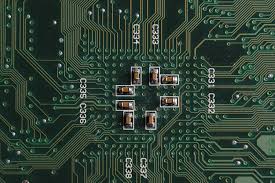
SMT circuit board refers to printed circuit boards that have components mounted with surface-mount technology (SMD), as opposed to through-hole technology (THT). This is a much more compact process than THT and it allows for greater component density on a single layer. The assembly process is also faster and less labor-intensive, lowering production costs. The smaller package sizes of SMD devices can be arranged closer together than THT parts, which can reduce parasitic inductance and improve high-frequency signal performance.
In order to create a smt circuit board, a special solder paste is applied to the PCB’s pads. Once this has been done, a SMT machine can accurately pick up the individual electronic components from reels or trays and place them on the pasted pads. The machines use vision systems to help ensure that the component placement is correct and in the proper orientation. Once all of the components have been placed, they are passed through a reflow oven, which melts the solder and makes a reliable electrical and mechanical connection between the device and the pad.
The main benefit of SMT is that it can be automated, reducing labor costs and eliminating human error. This is important in an industry where quality and consistency are paramount. It is also more adaptable than traditional THT methods, which require hand wiring through holes and are thus less flexible for technological advances.
What Are the Different Types of SMT Circuit Board?
Another advantage of SMT is that it allows components to be placed closer together, which increases the overall efficiency of a board. This is because the components do not have to be inserted through a hole in the PCB and can instead be soldered directly onto the board’s pads. In addition, the elimination of plated through-holes means that more of the board’s surface can be used for traces and can add additional layers to a circuit board.
The higher densities of SMT parts also enable the use of a thinner PCB, which can reduce the overall size and weight of the finished product. This is particularly important in applications where the size and weight of a device are critical to its function, such as in mobile phones and tablets.
Despite these advantages, SMT has some disadvantages. First, it is more difficult to inspect a finished circuit board for errors because of the small sizes and lead spacings of SMD components. This can lead to a significant amount of rework in the event that a mistake is not caught before the final soldering stage. Additionally, the small lead spaces can make it harder to mark the components with their corresponding values and part numbers, which is a necessary step for prototyping and repairing circuit boards.
Finally, the smaller dimensions of SMD devices can limit their performance as they may have trouble with thermal cycling. This can lead to premature failure or reduced reliability, especially if the device is exposed to high temperatures. This is because the smaller leads do not have as much area to dissipate heat and can cause solder joints to delaminate or even melt.