
commercial epoxy flooring cost
Commercial epoxy flooring cost is influenced by several important factors that directly impact the final price of the project. One of the primary considerations is the size of the floor area to be covered. Larger spaces typically result in higher overall costs, but they can also lower the cost per square foot due to economies of scale. On the other hand, smaller areas may have a higher per-square-foot expense because fixed costs such as preparation and material delivery are spread over less space. Businesses should always consider the scale of their project when evaluating commercial epoxy flooring cost, as it plays a central role in the final estimate.
Another key factor that shapes Commercial epoxy flooring cost is the specific epoxy floor system selected. There are several types of epoxy coatings available, ranging from basic thin coats to high-build systems that provide extra durability, chemical resistance, and decorative finishes. A simple epoxy coating may be more affordable, while multi-layer systems or specialized finishes such as metallic or quartz-infused epoxy will naturally increase expenses. The choice of system depends on both functional needs and aesthetic preferences, making it essential for businesses to balance cost considerations with long-term performance.
Material costs are also a major driver of commercial epoxy flooring cost. Epoxy resin quality, additives, and the inclusion of decorative elements such as colored flakes or textures all contribute to the overall price. High-quality materials generally offer better longevity and resistance to wear, which can save money in the long run by reducing the need for repairs or replacements. However, these premium materials come at a higher initial price point, so businesses must weigh the upfront investment against the long-term savings associated with durability and reduced maintenance.
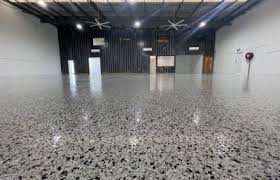
What factors affect commercial epoxy flooring cost?
The condition of the existing substrate significantly influences commercial epoxy flooring cost as well. If the concrete surface is in good condition, preparation may be minimal, leading to lower installation costs. However, if the substrate has cracks, moisture issues, or uneven areas, additional preparation such as patching, grinding, or moisture mitigation will be necessary. These extra steps can increase both labor and material expenses, making it important to assess the condition of the floor before beginning the project. Proper preparation ensures the epoxy adheres well and provides long-lasting results, which justifies the added expense.
Labor costs also affect commercial epoxy flooring cost, as installation requires skilled technicians who can properly prepare the surface and apply the system. More complex designs, such as decorative patterns or multi-layer builds, require additional labor time and expertise, raising the overall cost. Conversely, straightforward installations in open areas without many obstructions tend to be less expensive. Choosing experienced professionals may have a higher upfront cost, but it ensures quality workmanship and reduces the likelihood of premature failures or repairs, ultimately protecting the investment.
In summary, commercial epoxy flooring cost depends on the floor size, epoxy system type, material quality, condition of the substrate, and labor requirements. Each of these elements plays a crucial role in shaping the overall price and the long-term value of the flooring system. By carefully evaluating these factors, businesses can make informed decisions that balance budget considerations with durability, aesthetics, and performance. Investing wisely in commercial epoxy flooring ensures not only a cost-effective installation but also a professional, long-lasting surface that enhances the functionality and appearance of the space.