
role of ict in-circuit testing in pcb and pcba manufacturing
In the dynamic landscape of electronics manufacturing, ensuring the quality and functionality of Printed Circuit Boards (PCBs) and Printed Circuit Board Assemblies (PCBAs) is paramount. Among the array of testing methodologies employed in this process, In-Circuit Testing (ICT) emerges as a cornerstone, playing a pivotal role in verifying the integrity and performance of electronic components and circuits. ICT is a sophisticated and efficient method that offers numerous benefits throughout the manufacturing lifecycle, from prototype validation to mass production.
At its core, ICT involves the use of specialized test fixtures and probes to assess the electrical characteristics of individual components, as well as the connectivity and functionality of interconnections within a PCB or PCBA. By applying precise test signals and stimuli to specific nodes on the circuit, ICT can detect defects such as open circuits, short circuits, incorrect component values, and manufacturing errors with unparalleled accuracy and efficiency. This comprehensive testing approach provides valuable insights into the integrity and reliability of the electronic device, enabling manufacturers to identify and address any issues before they escalate into costly failures or performance degradation.
One of the primary advantages of ICT is its ability to perform high-throughput testing of pcb and pcba, making it well-suited for mass production environments. Unlike manual or visual inspection methods, which are time-consuming and prone to human error, ICT can rapidly and systematically test multiple circuit nodes and components in parallel, significantly reducing test cycle times and improving overall manufacturing efficiency. This scalability and throughput are essential for meeting the demands of modern electronics manufacturing, where speed, precision, and cost-effectiveness are paramount.
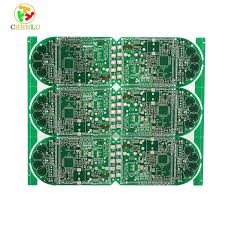
What is the role of ict in-circuit testing in pcb and pcba manufacturing?
Moreover, ICT offers unparalleled diagnostic capabilities, allowing manufacturers to pinpoint the root causes of defects and failures with precision. By analyzing test results and identifying problematic components or circuit nodes, engineers can implement targeted corrective actions, such as rework, component replacement, or process optimization, to address the underlying issues and improve product quality. This proactive approach not only minimizes the risk of costly rework and scrap but also enhances the reliability and performance of the final electronic device.
ICT is particularly valuable in verifying the integrity of complex electronic circuits, such as multilayer PCBs or densely populated PCBAs, where traditional testing methods may be insufficient or impractical. Its ability to access individual nodes and components within the circuit enables comprehensive testing of signal paths, power distribution networks, and interconnects, ensuring that all critical functionalities operate as intended. This level of granularity and precision is essential for detecting subtle defects or anomalies that could impact the performance or reliability of the electronic device in real-world applications.
Furthermore, ICT plays a crucial role in validating design changes, engineering modifications, and product enhancements throughout the product lifecycle. By comparing test results against baseline data and design specifications, engineers can assess the impact of changes on the performance and functionality of the PCB or PCBA, ensuring that product revisions meet the necessary requirements and standards. This iterative approach to testing and validation enables continuous improvement and innovation, driving the evolution of electronic products to meet the ever-changing demands of the market.
In conclusion, ICT serves as a cornerstone of PCB and PCBA manufacturing, offering unparalleled efficiency, reliability, and diagnostic capabilities throughout the production lifecycle. Its ability to perform high-throughput testing, pinpoint defects with precision, and validate complex electronic circuits makes it indispensable for ensuring the quality and functionality of electronic devices. By leveraging ICT as a key testing methodology, manufacturers can streamline their production processes, enhance product quality, and deliver innovative electronic solutions that meet the needs of today’s dynamic marketplace.