
materials are decals made from
When people look for creative ways to decorate, advertise, or personalize their belongings, one question that often comes up is what materials are decals made from. Decals are a popular choice for everything from car graphics and wall art to business signage and promotional branding. Unlike traditional stickers, decals are usually designed to be more durable and professional in appearance, which means the materials used in their production play an important role in how they perform. The choice of material affects not only how decals look but also how long they last, how easy they are to apply, and where they can be used effectively.
One of the most common materials for decals is vinyl. Vinyl has become the industry standard because of its flexibility, strength, and weather resistance. Vinyl decals can be applied to a wide variety of surfaces, including glass, metal, and plastic, making them suitable for both indoor and outdoor use. They are also available in different finishes, such as glossy, matte, or transparent, giving designers a wide range of options. For car decals, store windows, or outdoor signage, vinyl is often the go-to material since it can withstand exposure to sunlight, rain, and changes in temperature without peeling or fading quickly.
Paper is another material sometimes used for decals, though it is more common in temporary or decorative applications. Paper decals are generally less durable than vinyl, but they are also more affordable, making them a good option for short-term promotions or indoor designs. They can be printed in high detail and may even be coated with finishes to improve their appearance. However, because paper is not waterproof and can tear more easily, it is not usually recommended for decals that need to last a long time or endure harsh conditions.
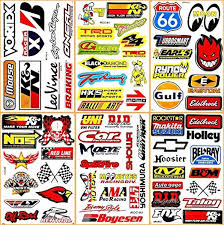
What materials are decals made from?
Polyester is another material that is valued for its durability and resistance to chemicals, heat, and moisture. Decals made from polyester are often used in industrial settings or for products that require strong, long-lasting labels. They provide a professional look and can handle environments where vinyl or paper might not perform as well. Polyester decals are commonly found on equipment, machinery, or safety labels where longevity and strength are crucial.
Clear materials, such as transparent vinyl or polypropylene, are also used for creating decals with a modern, seamless appearance. These materials allow the background surface to show through, which creates a clean and stylish effect. Transparent decals are often applied to glass windows, mirrors, or product packaging where the design should appear integrated with the surface rather than sitting on top of it. Their waterproof qualities also make them a popular choice for businesses and individuals who want a polished look that will last.
In summary, decals are made from a variety of materials including vinyl, paper, polyester, and clear plastics like polypropylene. The choice depends on where and how the decals will be used, with vinyl being the most versatile and durable option. By selecting the right material, decals can achieve the perfect balance of style, function, and longevity, making them an effective solution for both personal and professional use.